Tuesday, March 09, 2010

Frequently Asked Questions

How do I use this page?

This page is provided by the ALC to help you prepare for your hearing. The information applies to the most common kinds of cases that come before the ALC. The procedures outlined are designed to handle most types of cases. However, some procedures are optional with each Judge. This page does not cover all situations that might arise, but it should help you to better understand the process and prepare your case. You should also refer to the Rules of Procedure of the Administrative Law Court, available on this web, by contacting the Clerk's office or by submitting a request for Rules form.

REMEMBER: It is very important for you to read carefully the documents sent to you by the ALC. Those documents tell you the issues involved or the charges brought against you by the agency, what deadlines you must meet and what rights you have.

Back to the top
 

How does my case get to the ALC?

When an agency receives your request for a hearing, it sends your case within five working days to the ALC on an Agency Transmittal Form and forwards a copy to all the parties, which includes you. As soon as the case is assigned to a Judge, usually within a week, you will be sent a Notice of Assignment from the ALC which will give you the name of the Judge assigned to your case and the docket number.

Back to the top
 

Who can represent me?

You may be represented by an attorney or you may appear on your own behalf. It is up to you to decide whether you will retain an attorney. The ALC cannot advise you on this decision and cannot recommend an attorney. If you choose to have someone represent you at the hearing only attorneys or certified public accountants in tax matters may appear on your behalf and argue your case before the Judge.

Back to the top
 

Can I talk to the Judge?

No party or protestant is allowed to speak to the Judge about the case without all the other parties being involved. Each Judge has a staff person that you can speak to who can clarify procedural and scheduling matters and provide information from the case file, but no Judge or ALC employee can give you legal advice and you should never attempt to discuss the facts of your case with any Judge or employee of the ALC. Your opportunity to explain the facts and your position is at the hearing.

Back to the top
 

How do I file documents with the ALC?

In most instances, only written responses, motions and requests will be considered by the Judge. Documents can be filed with the ALC or Judge by mail or hand-delivery to the office. When you are required to file a document by a certain date and you are sending it by mail, you should include a certificate of mailing stating when you mailed it to the ALC and other parties. If there is no certificate of mailing then the date the envelope is postmarked by the U.S. Postal Service will be the date it is considered filed. Documents delivered by facsimile are not considered filed. Delivery by any means other than the U.S. Mail delivery will be considered filed on the date of receipt.

You must always include the docket number on all documents filed with the ALC. Anything you file with the ALC must be copied to all the other parties involved in your case. Notify the ALC immediately if your mailing address or telephone number changes. If you retain an attorney, all correspondence in your case from the ALC will go to your attorney's address.

Back to the top
 

Can I settle my case without a hearing?

Cases often settle without going to a hearing. Contact the agency attorney to see if you can work something out. It is entirely appropriate for parties to discuss settlement and to resolve a contested case by settlement at any time. Upon settlement, the case is usually dismissed by the Judge.

A Petitioner may withdraw the request for a hearing at any time by immediately notifying the Judge in writing. Court costs may be assessed against you if you do not timely inform the Judge of settlement or withdrawal of a hearing request.

Back to the top
 

Is my hearing like a real trial?

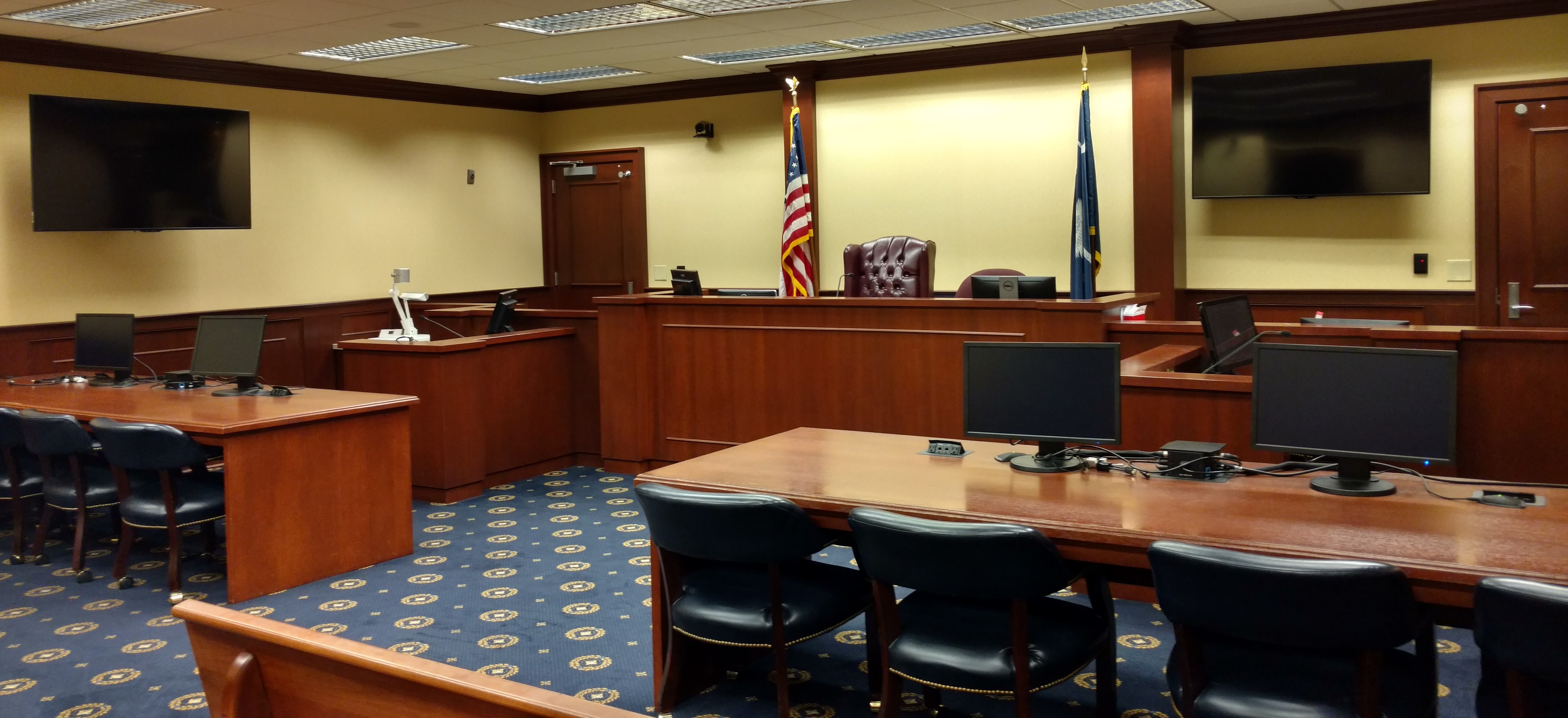
Your hearing will be very similar to a trial in court, with witnesses, exhibits and rules of evidence. A Judge will preside. The Judge is employed by the ALC, not by the agency involved in this action. Normally, an attorney represents the agency involved.

Back to the top
 

How do I prepare for my case?

Generally, the party requesting the action or relief has the burden of proof. If you are applying for a license, you must prove that you meet the qualifications for that license. If you already have a license and the agency wants to take disciplinary action against you, the agency generally has the burden of proof. It must establish that you violated the laws or regulations charged. Even when the agency has the burden of proof, you should prepare to offer evidence of your good character and conduct, mitigation, rehabilitation and evidence refuting the charges, as appropriate.

Depending on the case, you may want to bring witnesses who know about the issues involved. You should also bring documents (such as contracts, business records, or checks), photographs, or other items that help prove your case. With documents, try to bring the original and two copies. Items introduced at the hearing must be left with the Judge.

The Judge may require parties to file and exchange Prehearing Statements which include witness and exhibit lists. You have the right to further information from the agency. Contact the agency attorney to see or copy the agency file and other relevant evidence. You may have to pay for copies. The Judge's office can also provide information from the case file. Normally, you must request information from the agency (a process known as "discovery") within a reasonable time after receiving notice of your case being assigned to a Judge. Discovery must be completed before the hearing.

If you are a named party, you have the right to subpoena from individuals, businesses, and State agencies relevant records or other things to be produced at the hearing. This type of subpoena is called a "subpoena duces tecum." Witnesses whose testimony is relevant to your case can come voluntarily to the hearing, or you may serve a subpoena on a person which would compel them to be present at the hearing. Contact the ALC Clerk's office prior to the hearing for subpoena forms and instructions. You must arrange to have someone else serve the subpoenas and may have to pay a fee.

REMEMBER: This hearing is your chance to tell the Judge your side. It is important to have any documents or witnesses at the hearing which will support your case.

Back to the top
 

When is my hearing and who is involved?

The Judge's office will send you a hearing notice containing the time, place, and date of the hearing. The notice will also contain other important information that you need to read. The notice will be sent to you at least 30 days before the hearing date. Your hearing will be held in Columbia or in some instances, the Judge may schedule your case in the county in which you hold your permit or license or in a county close to your residence.

Interested persons that are not actual parties in the case may appear at the hearing and have limited participation rights as a witness or protestant, including the right to present testimony and other evidence. A protestant may be made a party by filing a Motion to Intervene. If a protestant is made a party, he or she will have the right to cross-examine witnesses, receive a copy of the Final Decision and have appeal rights. You may contact the Judge's office or Clerk's office for further information on the difference between a party and a protestant.

Back to the top
 

Is the hearing location accessible to people with disabilities?

The ALC hearing rooms are accessible to persons with physical disabilities. If you or other persons planning to attend a hearing have special needs requiring reasonable accommodation, please contact the Clerk's office as soon as possible, so arrangements can be made.

Back to the top
 

What if I need an interpreter?

If you or a witness need a sign language or foreign language interpreter, immediately contact the Clerk's office to make arrangements.

Back to the top
 

Can the date of the hearing be changed?

Hearings are postponed only when extraordinary circumstances exist. You must give the Judge a good reason to change a hearing date. If you cannot attend on the date and time scheduled, contact the Judge's office as soon as you know of the problem. To request a change of date, you will have to file a written request stating the reasons for the change. Make your request as far in advance of the hearing as possible. If the hearing date is changed, a new hearing notice will be sent to all the parties.

Back to the top
 

What if I don't attend the hearing?

Unless the Judge informs you that the hearing is postponed, it will take place when scheduled, even if you are not present. If a hearing is held and you do not attend, the action requested by the agency may be granted upon its motion and any relief you seek will probably be denied. If an emergency arises and you will be late for the hearing, call the Judge's office to explain the problem. If you cannot reach the Judge's office, call the Clerk's office.

Back to the top
 

What will happen at the hearing?

When the hearing begins, each party may make an opening statement. This tells the Judge what that party intends to prove. Each party can then offer relevant evidence to prove its case. Evidence can be sworn testimony at the hearing or certain kinds of documents, such as business records. You must prove the accuracy of documents you submit.

The person(s) or agency who files a petition or asks for a hearing is usually the "Petitioner." The person or agency against whom the case is filed is normally the "Respondent."

The petitioner usually presents its evidence first. The petitioner may testify and may ask questions of its witness(es) which is called "direct examination." When the petitioner is finished, the respondent may ask questions of those witness(es) which is called "cross-examination." The petitioner will have a second chance to ask questions on matters brought up on cross-examination which is called "redirect." The respondent will then have a second chance to examine those witnesses which is called "recross."

After the petitioner has presented its witnesses, it will be the respondent's turn. The respondent may testify and call witnesses. After the respondent questions each witness, the petitioner will cross-examine. Like with the petitioner, the respondent will have a second chance, redirect, to ask questions of each witness.

After the respondent has presented his or her case, the petitioner may call rebuttal witnesses to testify only to issues the respondent brought up in its case. If the petitioner calls rebuttal witnesses, the respondent may call witnesses to address the issues discussed by rebuttal witnesses. Few hearings involve rebuttal witnesses.

REMEMBER: Your chance to present evidence is at the hearing. Before the hearing closes, you must submit all the evidence you want the Judge to consider. Only in rare cases will the Judge allow new evidence to be submitted after the hearing is over.

After all testimony is heard, each party can make a closing argument, with the petitioner usually going first. The party that goes first also has the right to make a short reply argument. Closing arguments address only those facts brought out in testimony or in documents received into evidence. Like opening statements, closing arguments are not evidence.

Back to the top
 

Can I obtain a transcript (written record) of the hearing?

Yes, but you must pay the cost of preparing the Transcript. You will have to submit a transcript request form to the ALC hearings reporter. The court reporter will request payment prior to preparing the transcript.

Back to the top
 

When will the Judge issue a decision and can I appeal it?

The Judge that hears your case will issue a written Final Decision. There is generally no time frame for when the Judge must issue the decision. A party may appeal the Final Decision within 30 days of its receipt. Contact the Clerk's office for more information.

Back to the top


What if my question is not addressed on this page?

If you have a question regarding your case that is not addressed on this page and you know the judge's name, you may call and talk to his or her assistant. If you do not know the judge assigned to your case or have a general question about procedures or other matters, you may contact the Clerk's office.

Back to the top
 

Search Tips / How do I find my case on the ALC Website?

Our cases are available on the website approximately 2 weeks after the decision is made. You can search on the full text of the documents using the search engine available in each of the agency directories. You can also use Ctrl-F to find words on a particular page, such as a name for instance. This is a built-in function of most browsers.

Back to the top
 

How do I use the downloadable forms?

You must have the free Adobe Acrobat Reader in order to view and print the forms. You need to print them out and then fill them in and return them to our office by the proper filing dates. For best results when printing the document, select the "print as image" option on the Adobe Acrobat print dialog.

Back to the top